Culvert Boneyards
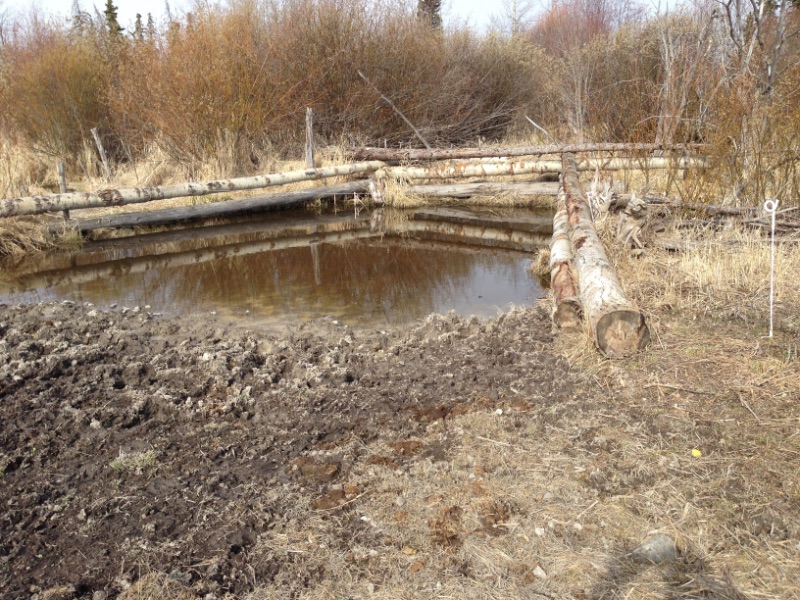
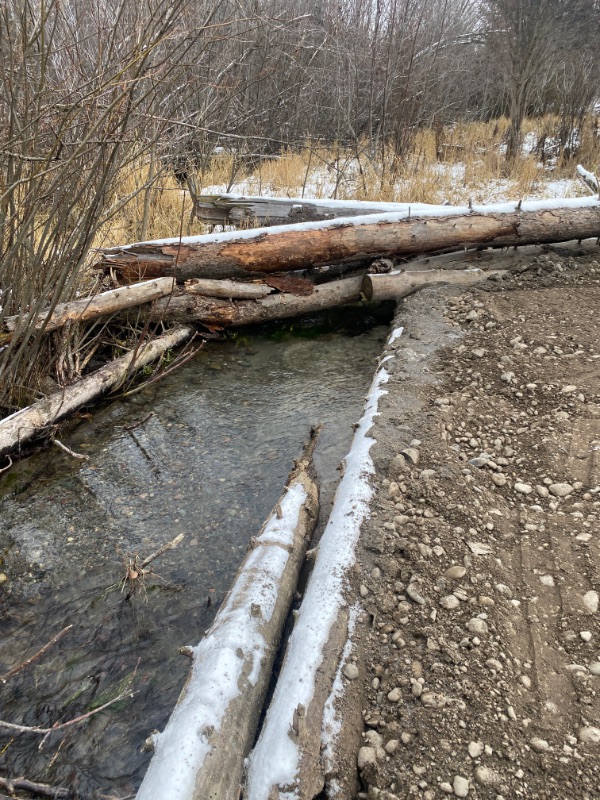
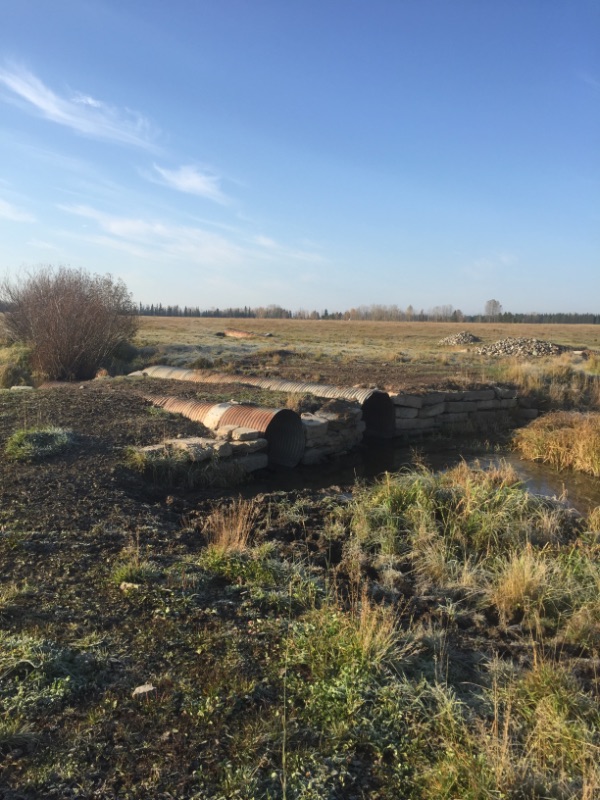
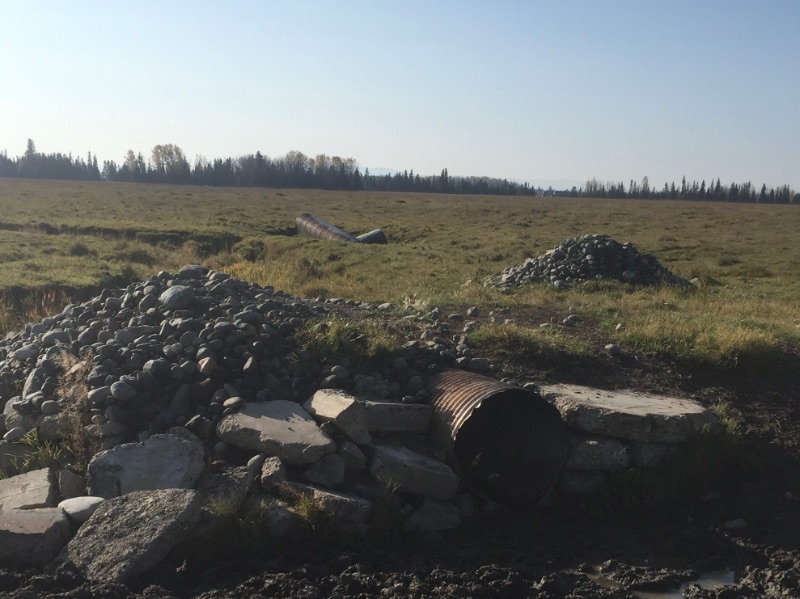
Bone yard crossings are bad crossings – doing it right the first time is not more expensive. It considers other values of the land, like fish passage, and contributes to the ranchers stewardship.
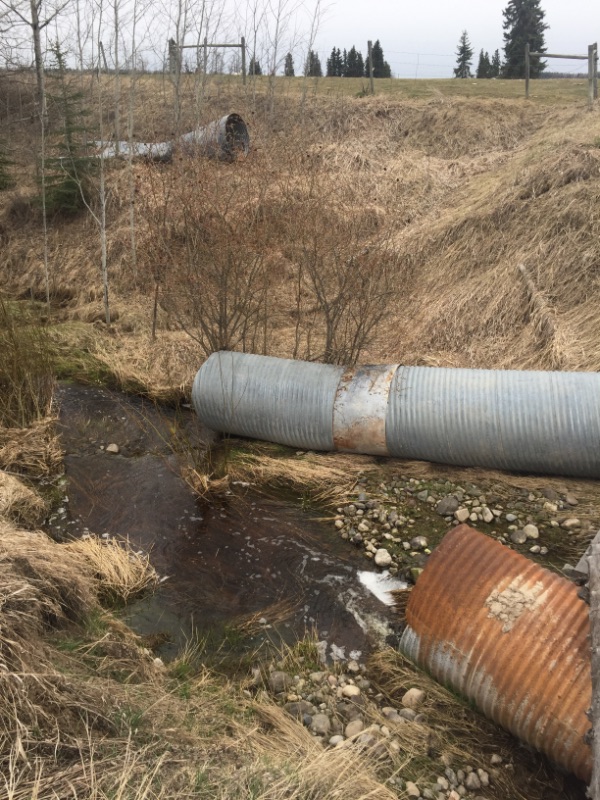
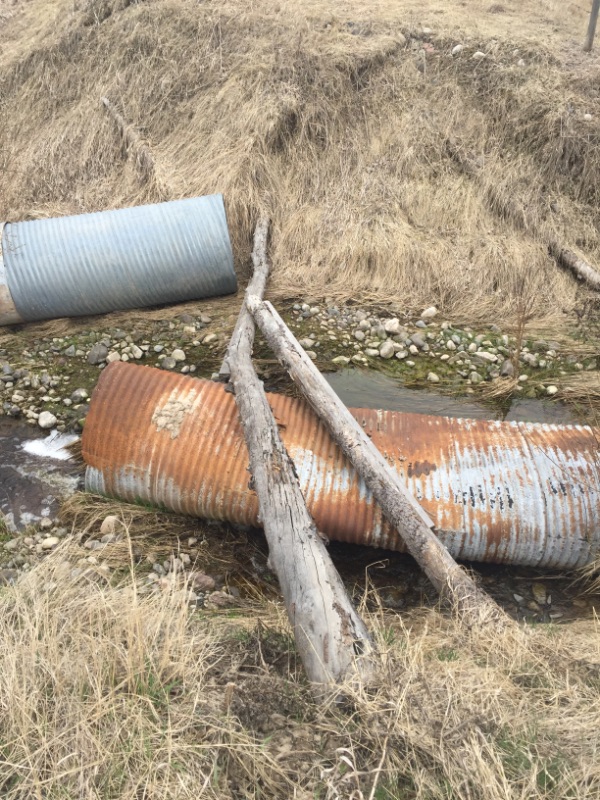
Before and After
These before and after examples depict how fixing a culvert, fencing off a river bank from cattle grazing, incorporating a BDA, or armouring a stream crossing, will improve the habitat and overall health of a water system.

Murray Creek is longest running NEWSS project and is a fantastic example to show all the benefits related to stream rehabilitation.
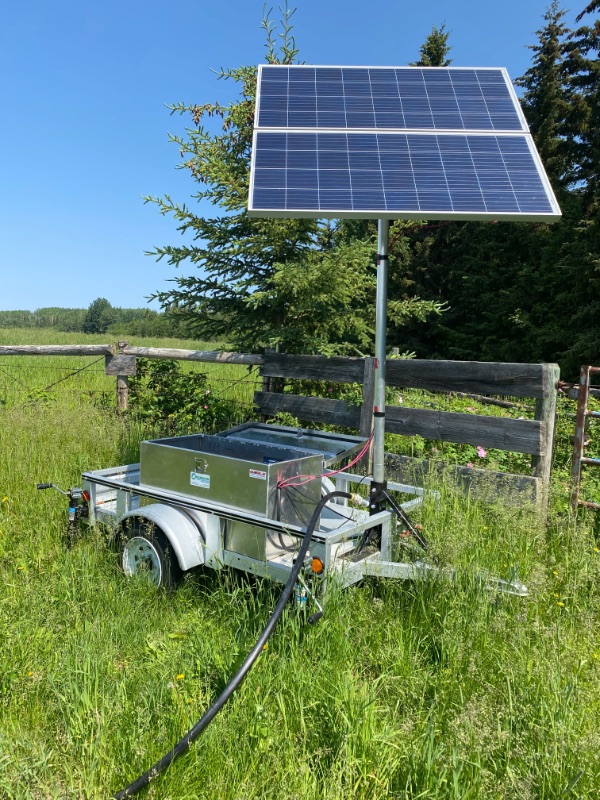
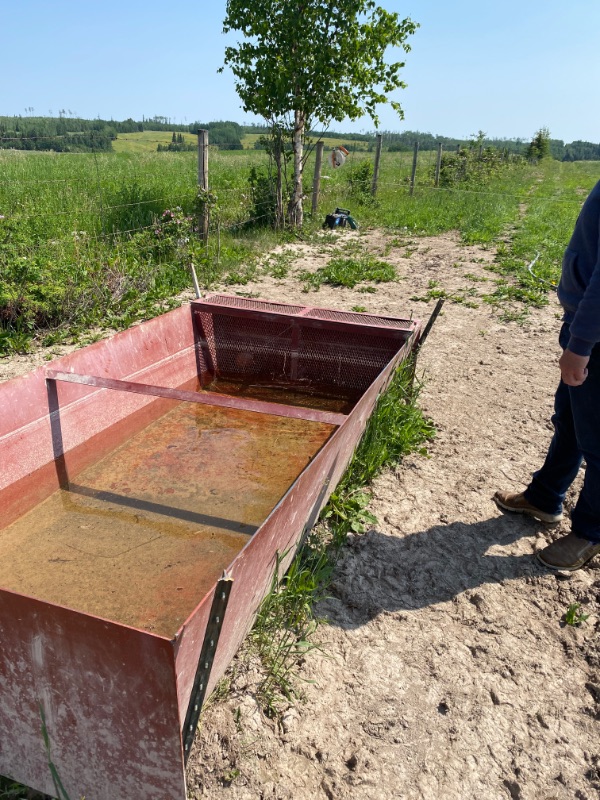
Off-Channel Watering
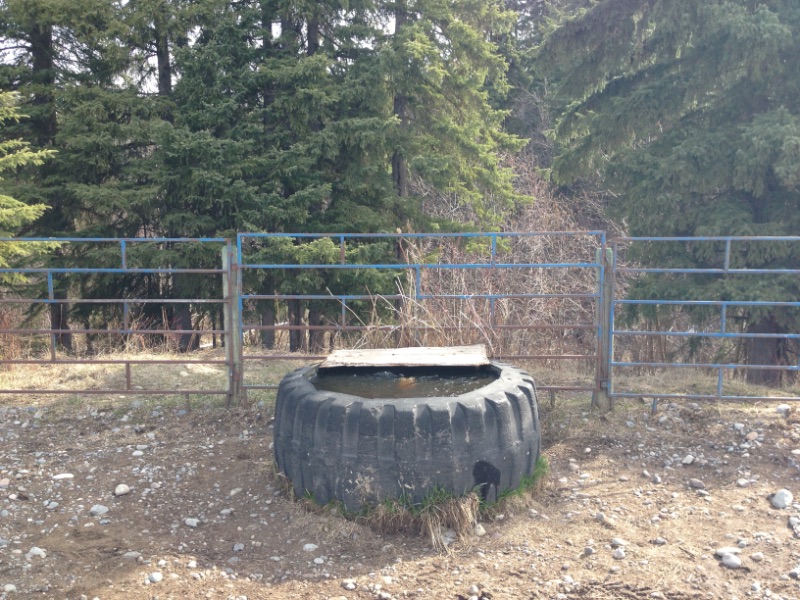
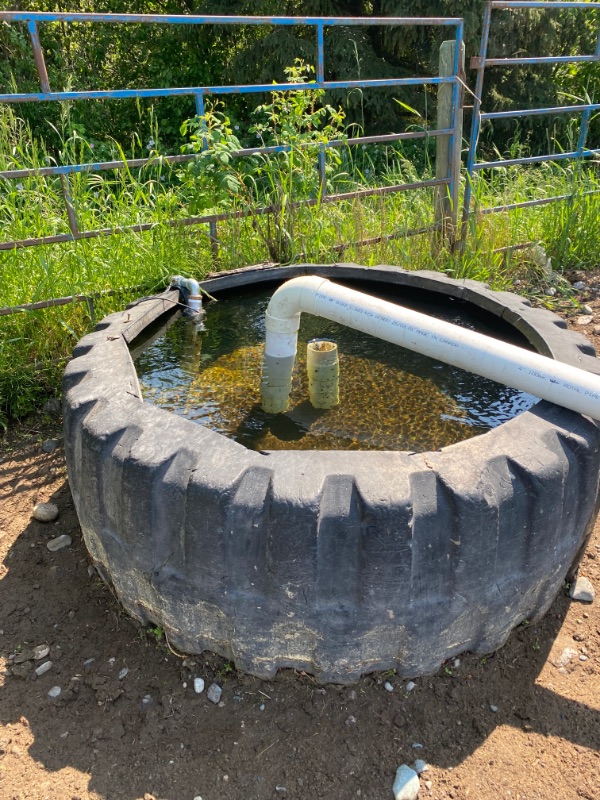
An excellent option for ranchers to reduce livestock impacts to stream banks, off-channel watering can provide the water resource for livestock and keep livestock out of creeks - a win-win!
Off-channel opportunities are a great start to protecting riparian zones. Although not pristine, the limit of in-and-out access of livestock is beneficial to the goal of protecting the riparian zone. Here are different examples of how off- channel watering can look.